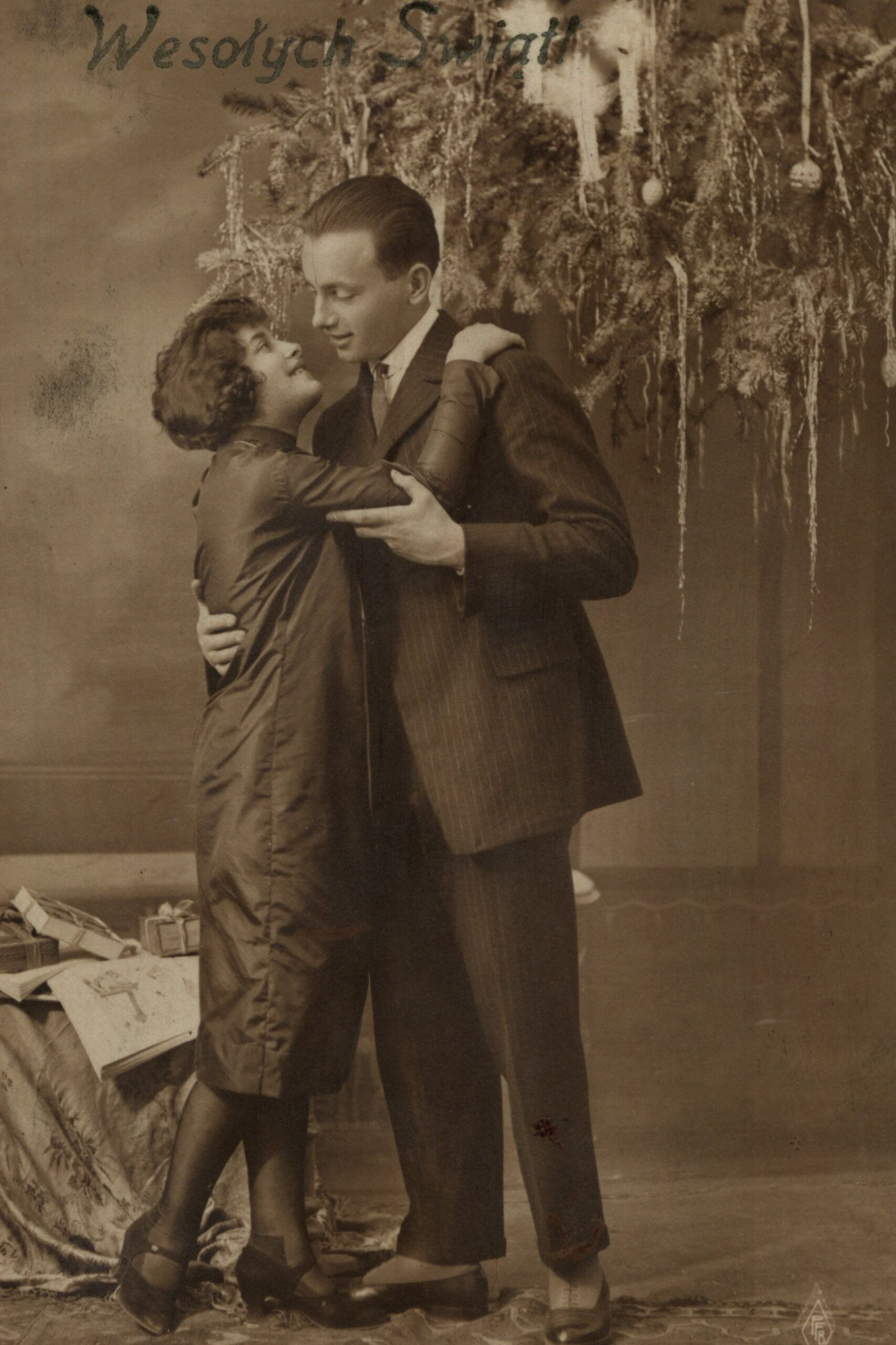
Have you ever wondered where the Polish Christmas tree comes from, how it reached the villages, and what it meant before it became the centrepiece of Wigilia? Here is the short history, with a few archival books that show how Polish families decorated their trees a century ago.
The Polish Christmas tree
A Christmas tree (choinka) is a decorated spruce or fir, less often a pine, natural or artificial. It descends from pre-Christian folk customs and the veneration of the evergreen tree, and today it is the main decoration of a Polish Christmas.
In many cultures a tree, and a conifer in particular, stands for life and rebirth, permanence and fertility. As a Christmas tree it appears in the 16th century, but it probably has an older ancestor: the paradise tree of the knowledge of good and evil, used in the mystery plays about Adam and Eve staged on Christmas Eve.
In Poland the first decorated trees appeared in noble and bourgeois homes only in the 19th century. Peasant families took up the custom and spread it quickly; a trip to the forest for a young spruce became a tradition of its own.
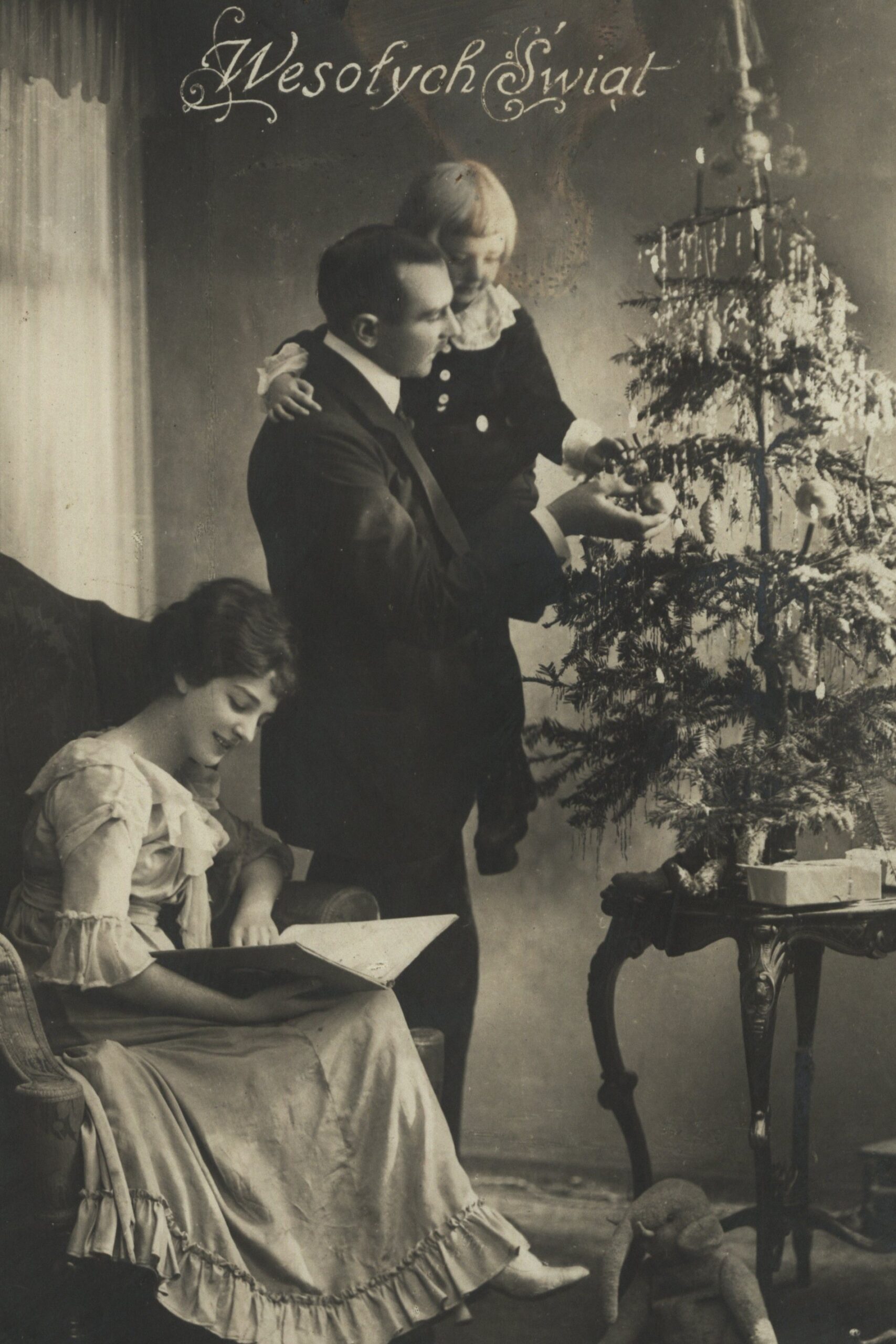
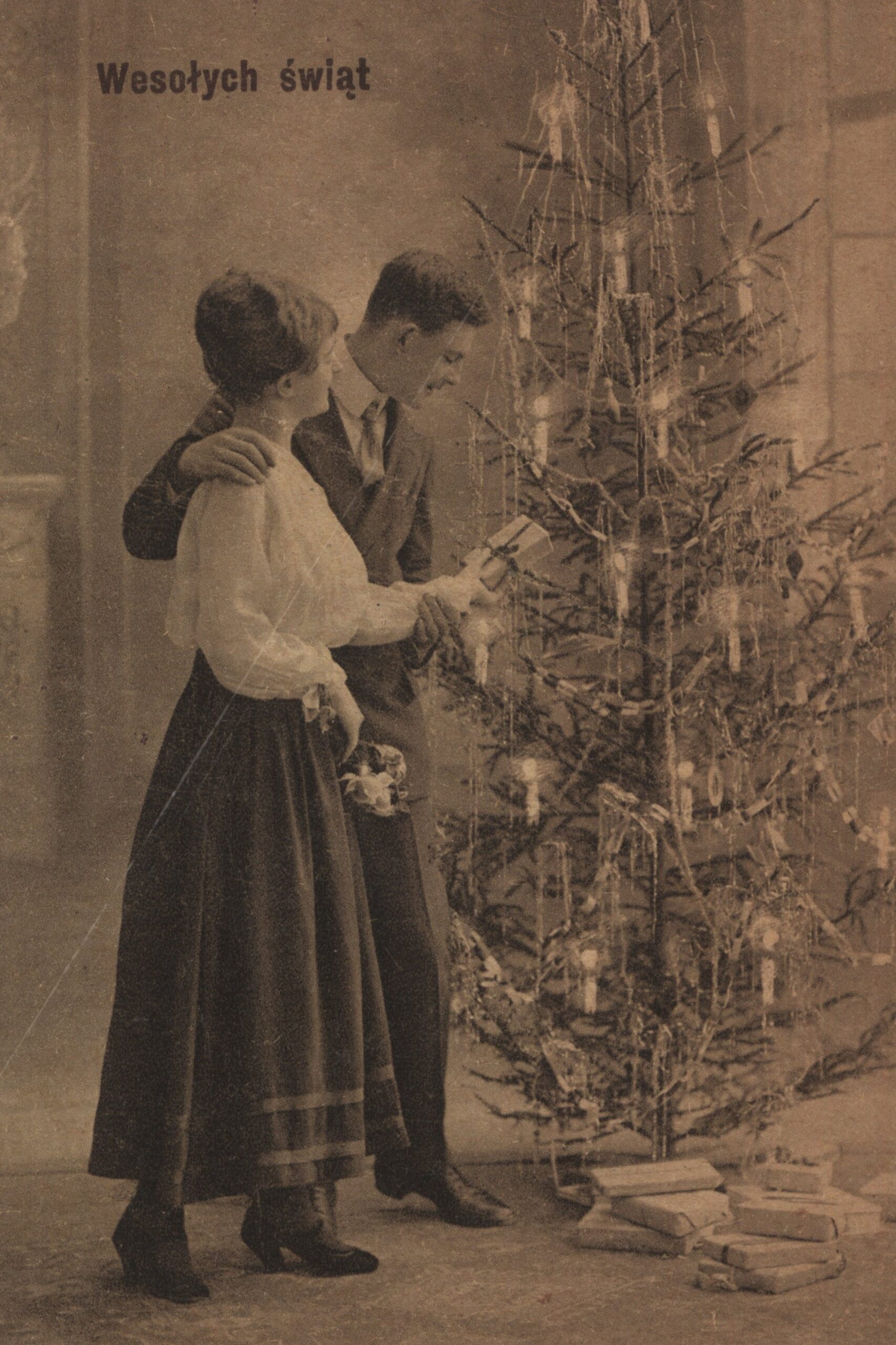
How did Polish families decorate a Christmas tree?
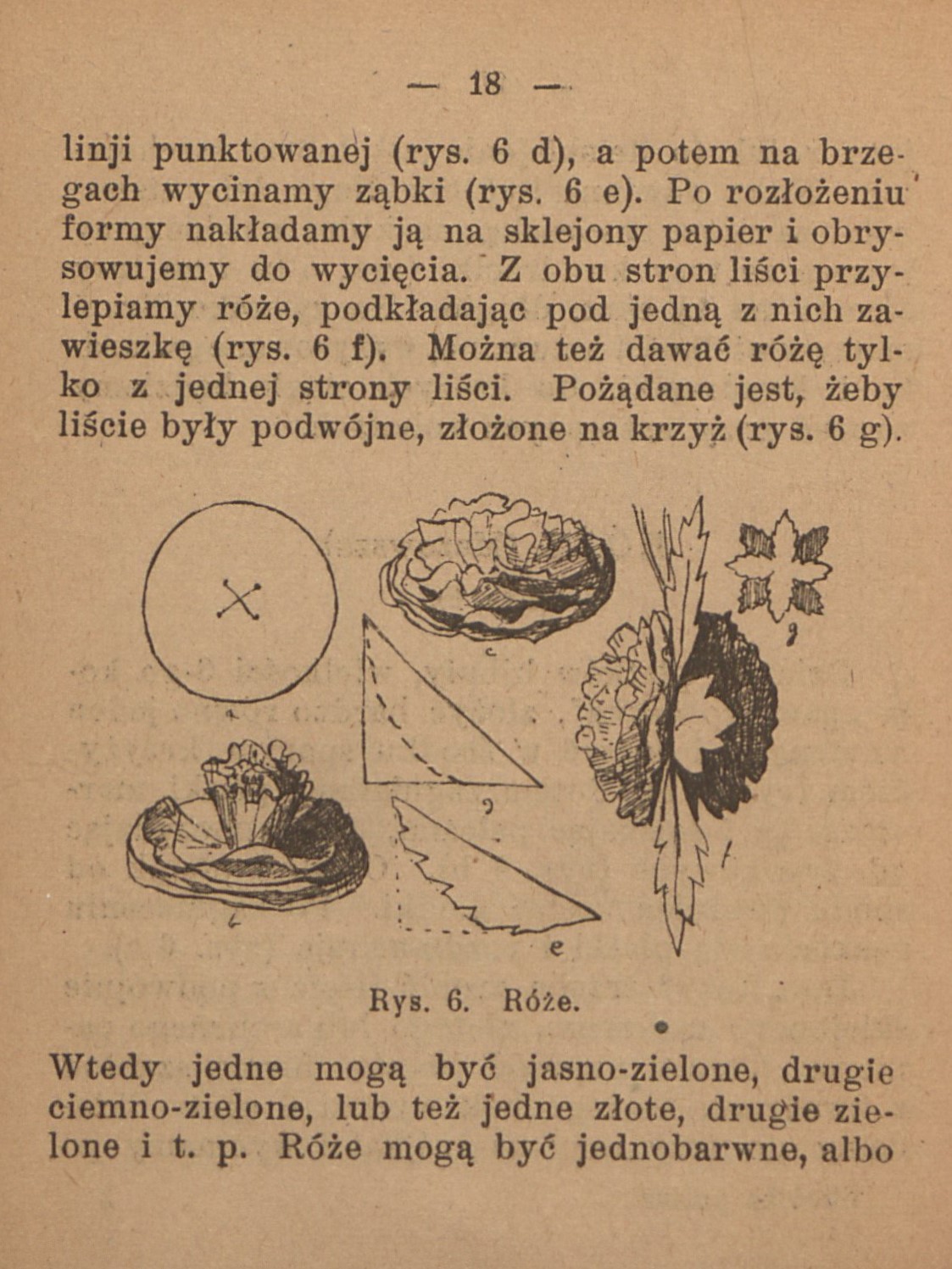
What might a Christmas tree have looked like in pre-war Poland? Two Polish publications from the archives show how the ways of decorating changed over the years.
How to decorate a Christmas tree
Maria Weryho (1858-1944), W jaki sposób ozdobić choinkę, 1918.
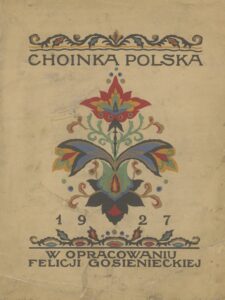
The Polish Christmas tree
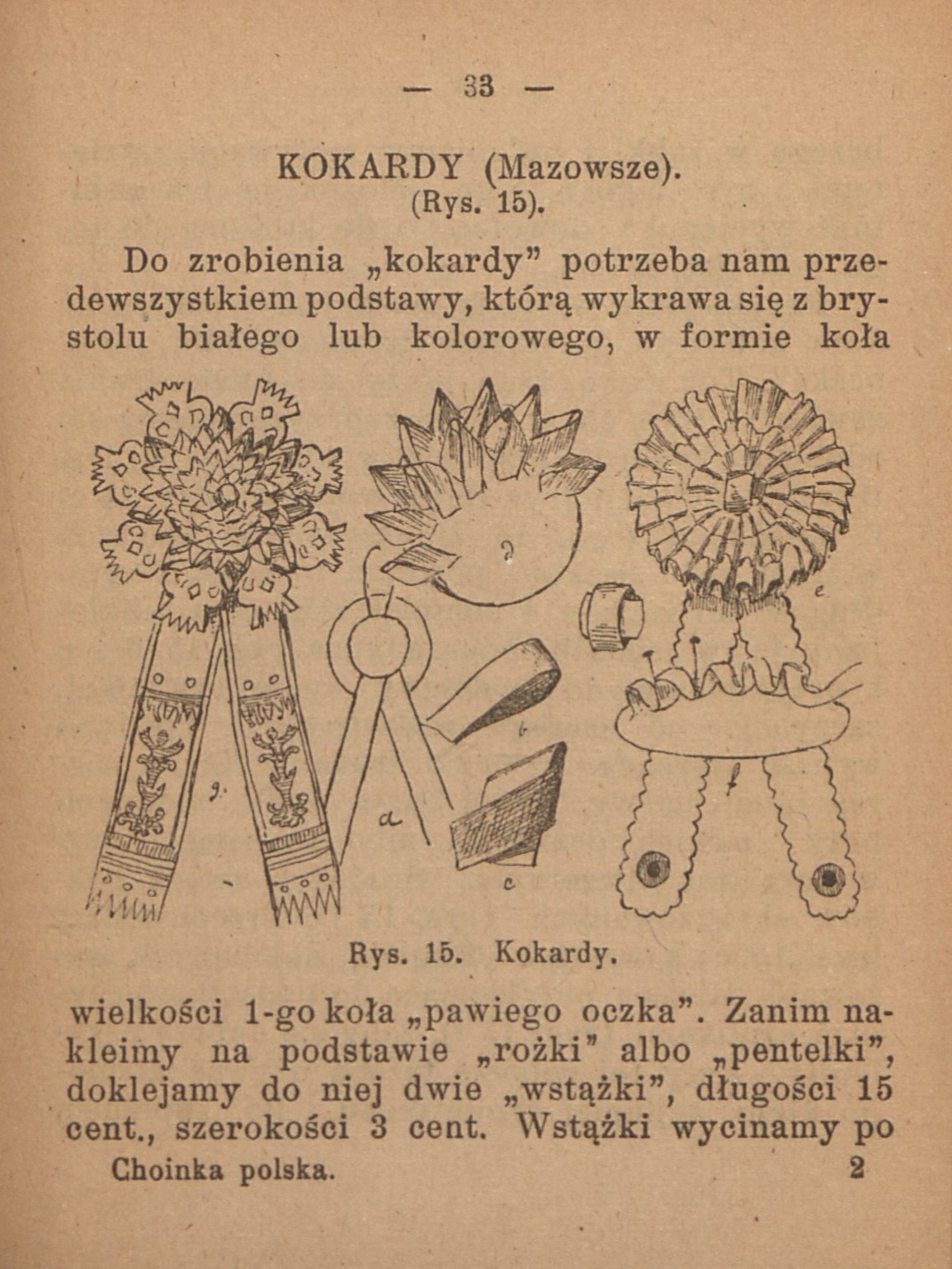
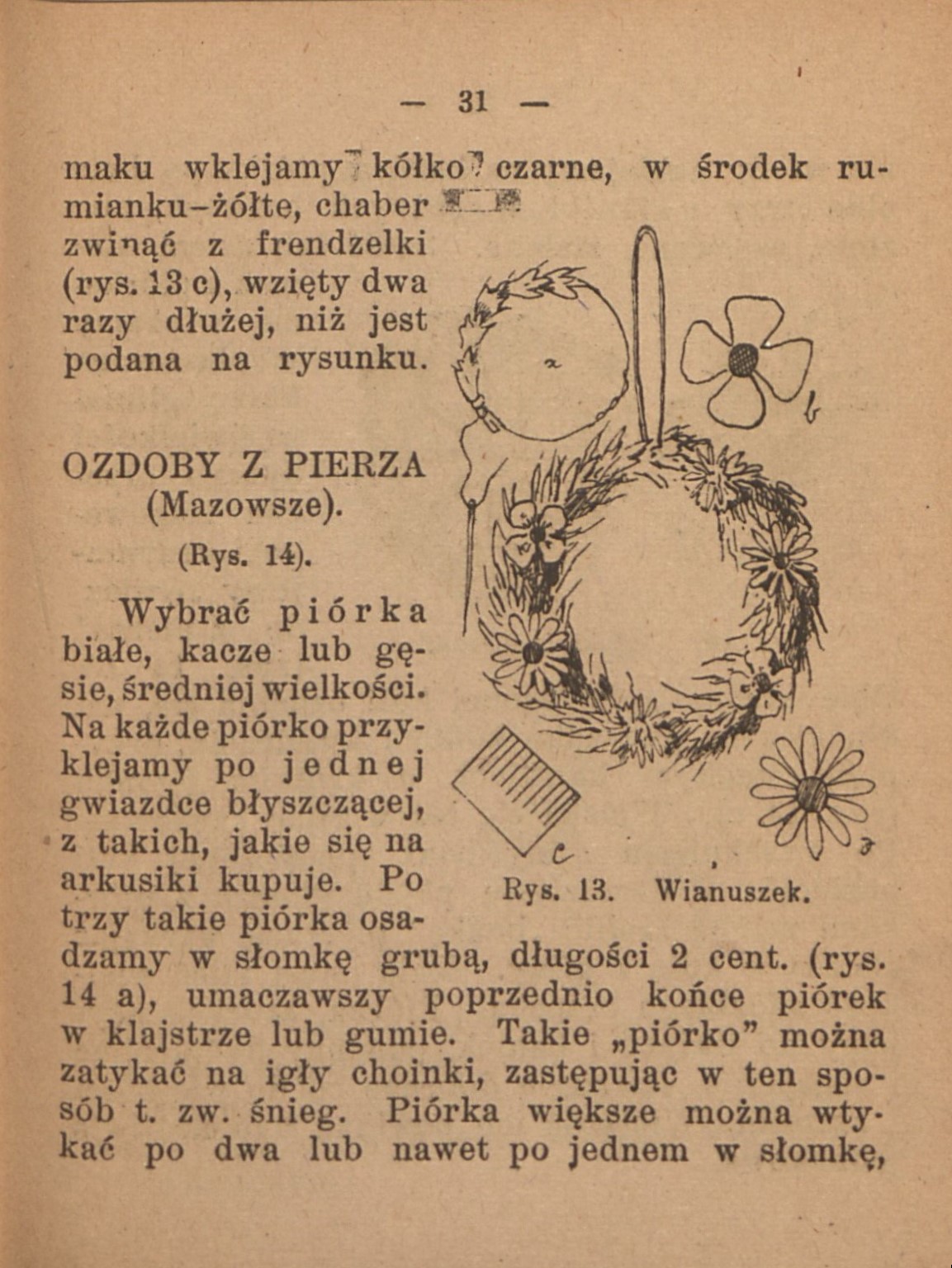
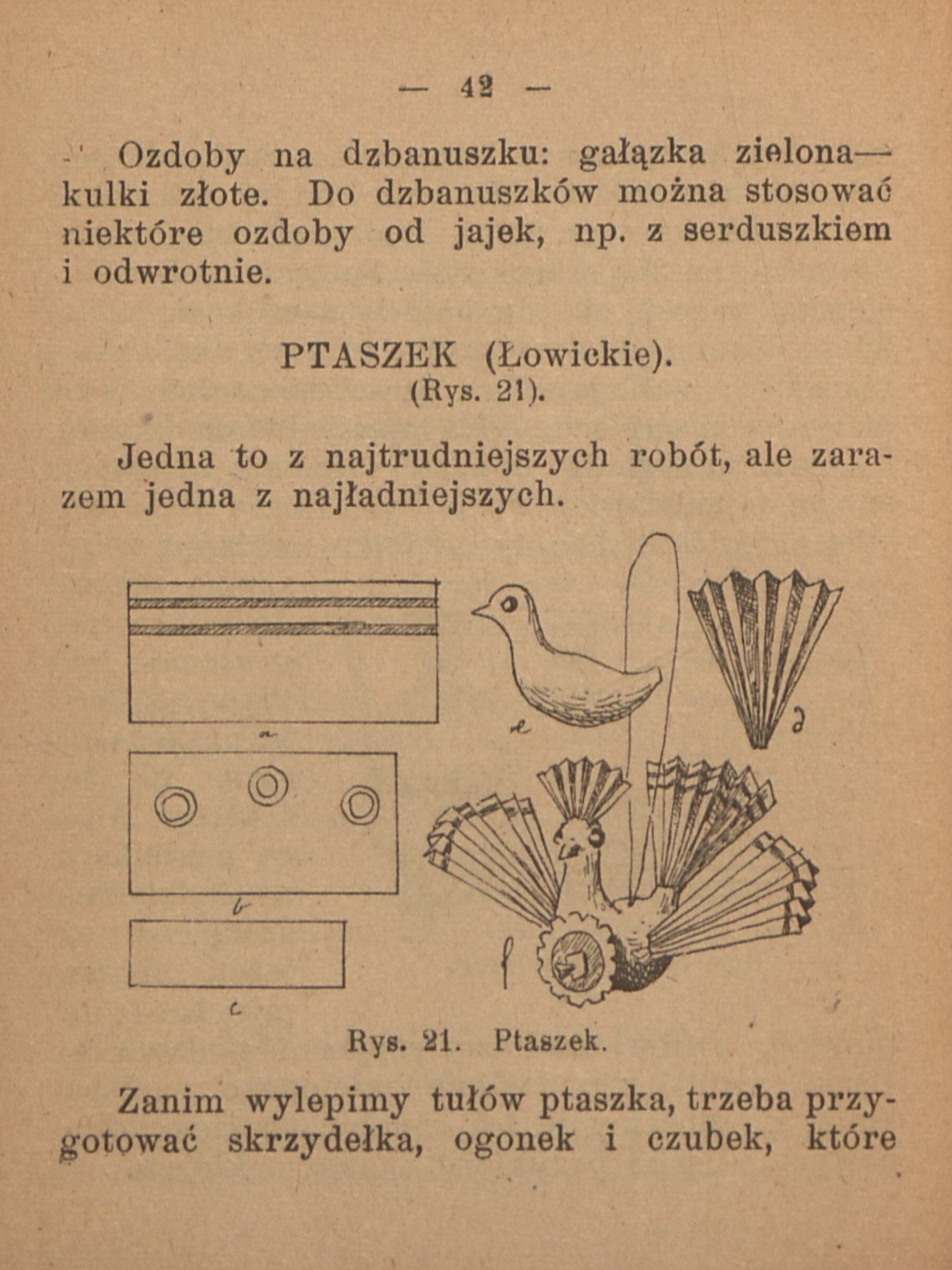
Felicja Gosieniecka (b. 1883), Choinka polska, 1927.
Traditional Polish Christmas tree decorations
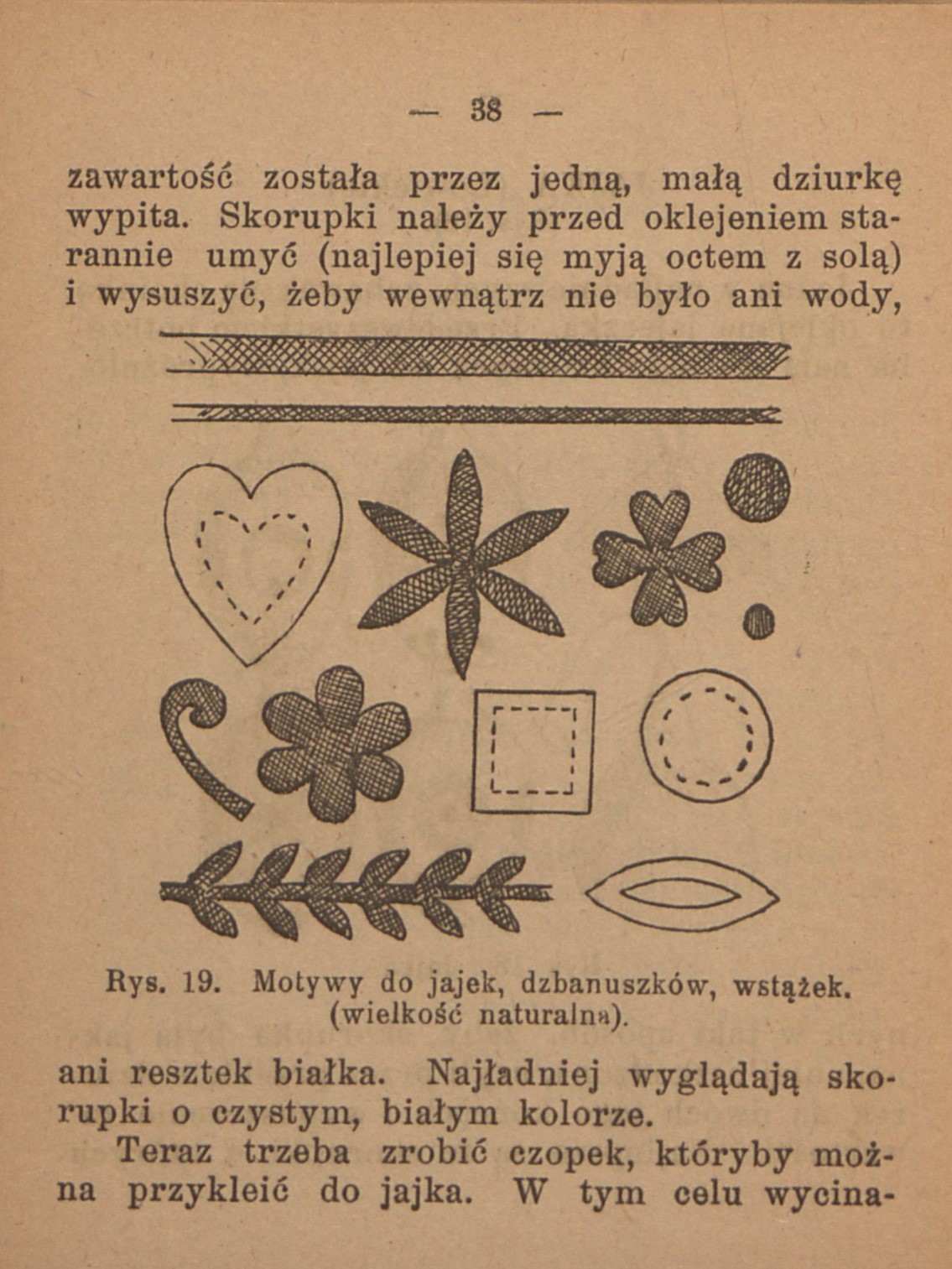
Before glass baubles became affordable, Polish trees were dressed with what the household could make or gather: painted eggshells, shiny red apples, walnuts wrapped in foil, home-made sweets, straw stars and paper chains. The candles were lit on Christmas Eve, before the Wigilia supper. Typical ornaments included:
- the Star of Bethlehem at the top
- candles, later Christmas lights
- glass baubles (bombki)
- angels and paper figures
- paper chains and straw ornaments
- apples, nuts and gingerbread
- mistletoe over the door
Before Christianity: Szczodre Gody
Like almost every Christian feast, Christmas replaced an older celebration from the time when the Slavs had their own culture and their own gods. At the winter solstice they celebrated Szczodre Gody, the Generous Feast, preceded by the Generous Evening.
The victory of light over darkness marked the moment when the days begin to grow again, bringing hope, optimism and joy. For the Slavs the Generous Feast opened the new solar and ceremonial year and lasted up to a dozen days.
And your family?
How do you celebrate Christmas? Do you decorate a tree, and are there ornaments that have been passed down in your family? If your ancestors came from Poland, the records of their parish may still tell you where and how they celebrated. Ask us, the first assessment is free.